TSX KNT
OTCQX KNTNF
Gold
$

TSX: KNT

Last $
Change
Volume
More Stock Information

Kainantu Mine

PAPUA
NEW GUINEA

Mine Overview

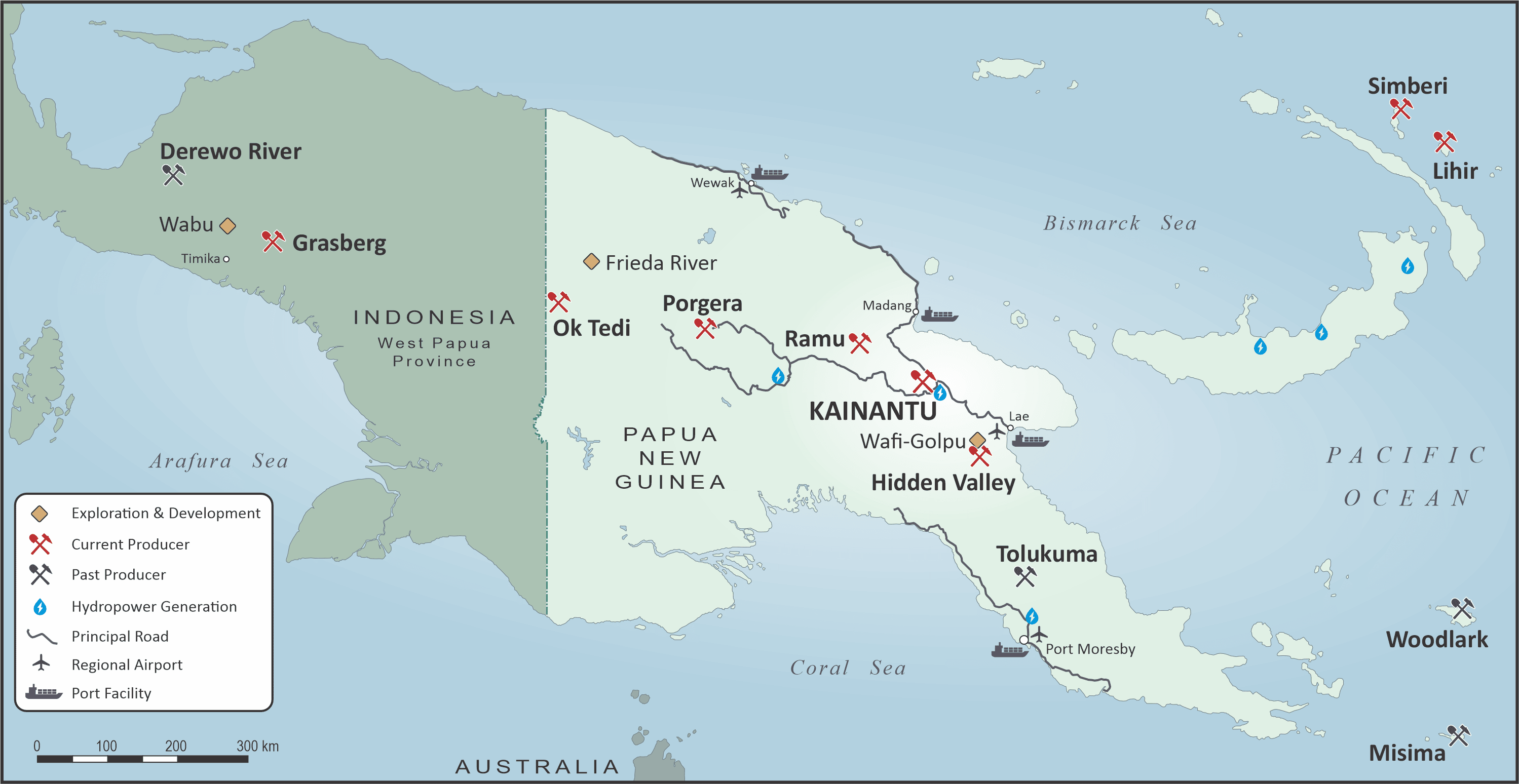
K92 operates and is expanding the Kainantu Gold Mine, located in the Eastern Highlands Province of Papua New Guinea. Since acquiring the project from Barrick Gold in 2014 and restarting operations in late 2016, it has transformed Kainantu into a long-life producer supported by a substantial and expanding mineral resource base.

Kainantu’s low-cost production reflects the high grade, continuity, thickness, favourable geotechnical conditions and strong metallurgical characteristics of the deposit. This growth has been driven by a series of near-mine exploration discoveries supported by existing infrastructure.

Kora–Judd Discovery and Resource Growth

In May 2017, the near-mine discovery of Kora North marked a pivotal milestone. This discovery ultimately connected the Kora, Eutompi and Kora North deposits into what is now known as the Kora deposit.

2023 Resource Update

Following extensive underground drilling K92 announced its latest combined Kora and Judd mineral resource in December 2023. Thus far, the discovery cost has been achieved at less than US$7.50 per ounce gold equivalent. The combined Kora and Judd resource increased to:

  • Measured & Indicated: 8.1 Mt at 10.00 g/t AuEq for 2.6 Moz AuEq.
  • Inferred: 16.5 Mt at 8.48 g/t AuEq for 4.5 Moz AuEq.

Expansion Strategy and Production Growth

K92 is executing a staged expansion strategy to transform Kainantu into a Tier 1 gold-copper operation:

  • Stage 2 Expansion: Run-rate achieved in late 2021, doubling throughput to 400 ktpa
  • Stage 2A Expansion: Completed in May 2023, increasing throughput to +600,000 tpa, upgraded from 500,000 tpa
  • Stage 3 Expansion: Construction and commissioning complete, increasing underground mine throughput to 1.2 mtpa
  • Stage 4 Expansion: Plant expansion scheduled for commissioning in the second half of 2027, increasing throughput to 1.8 mtpa.

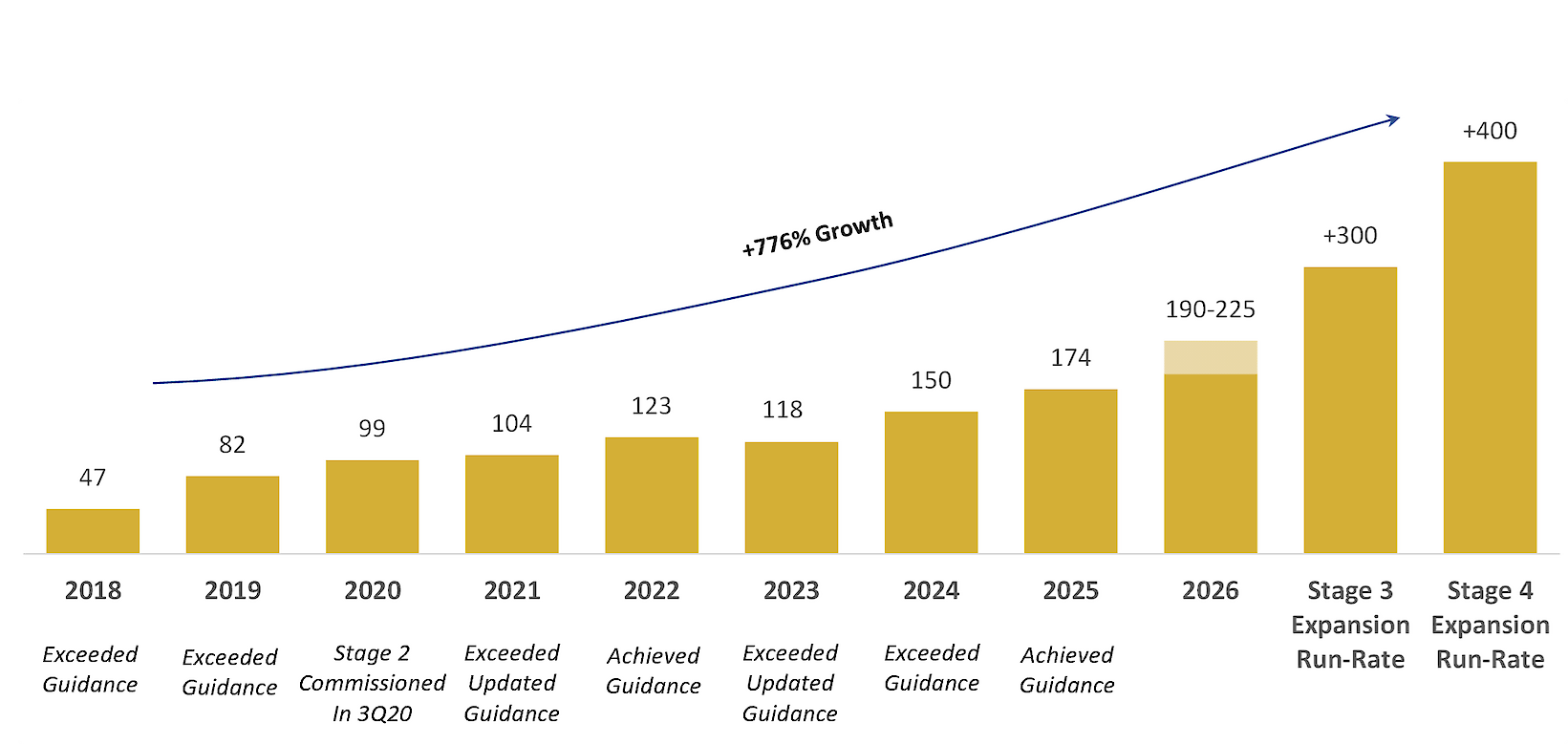
As outlined in the October 2024 Updated Definitive Feasibility Study, Stage 3 is expected to achieve Tier 1 production of +300 koz AuEq per annum run-rate, with life-of-mine average all-in sustaining costs of US$665/oz net of by-products or US$920/oz on a co-product basis.

K92 is also planning a Stage 4 Expansion targeting run-rate of +400 koz AuEq per annum production through low-capex upgrades to the Stage 3 plant, with the Stage 2A plant remaining available to support future phases of expansion¹.

Exploration Upside

Exploration is self-funded and remains a major focus, with up to 14 drill rigs operating across multiple targets.

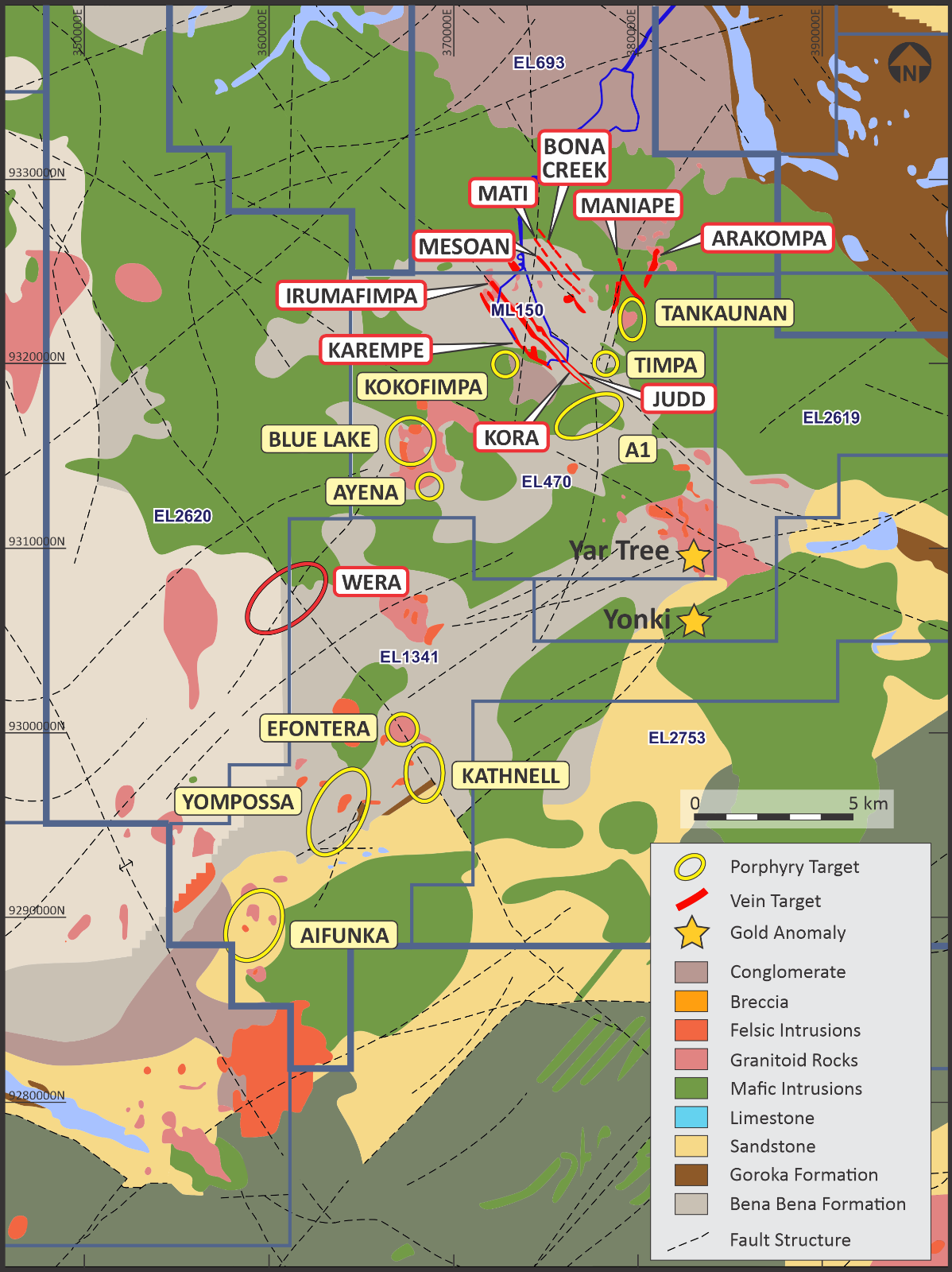
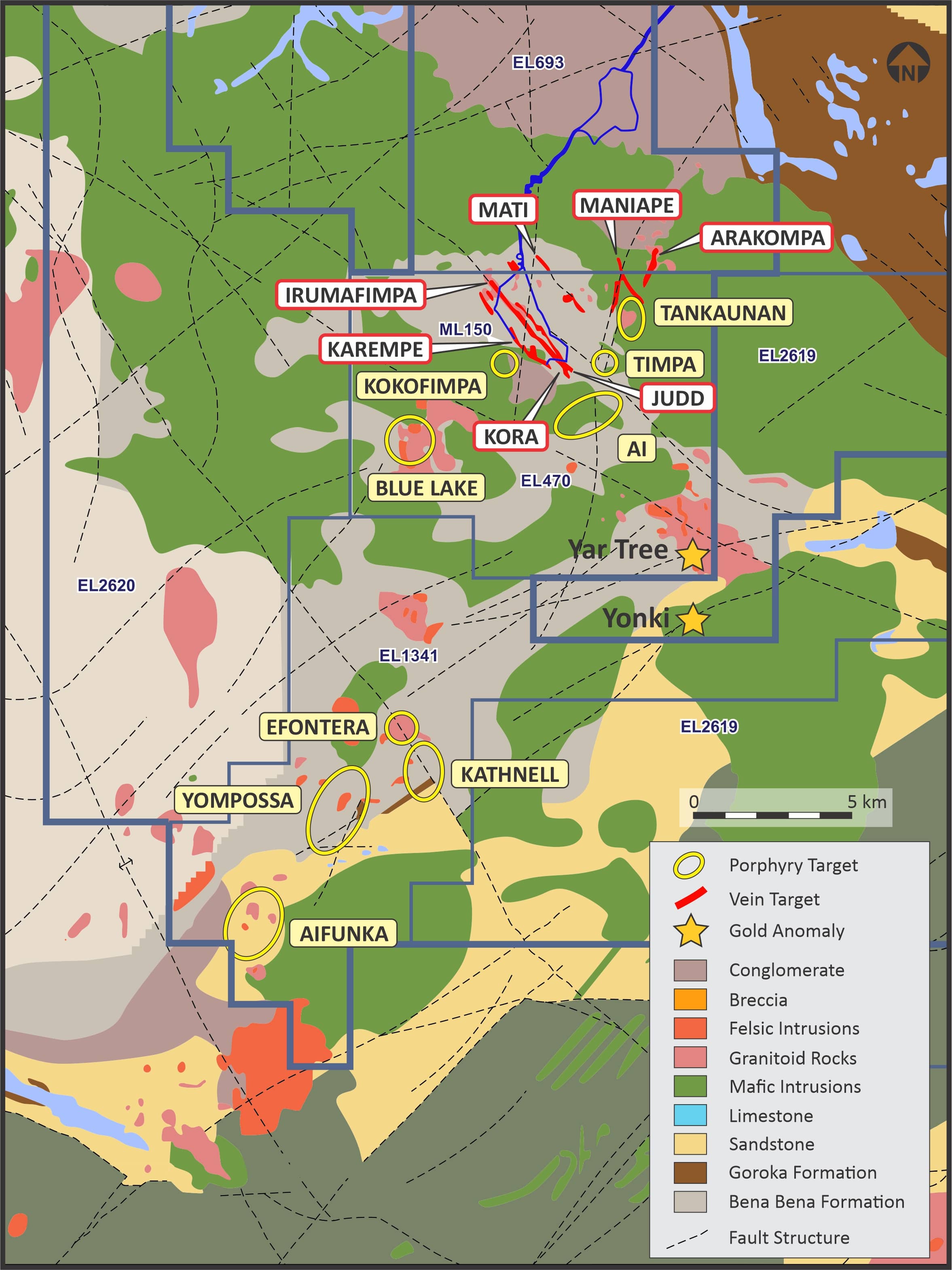
At Arakompa, located ~4.5 km from the Stage 3 plant, one of our highest-priority high-grade vein systems, drilling continues to demonstrate mineralization along a known +2 km strike length, with a maiden mineral resource estimate targeted for mid-2026.

District-Scale Opportunity

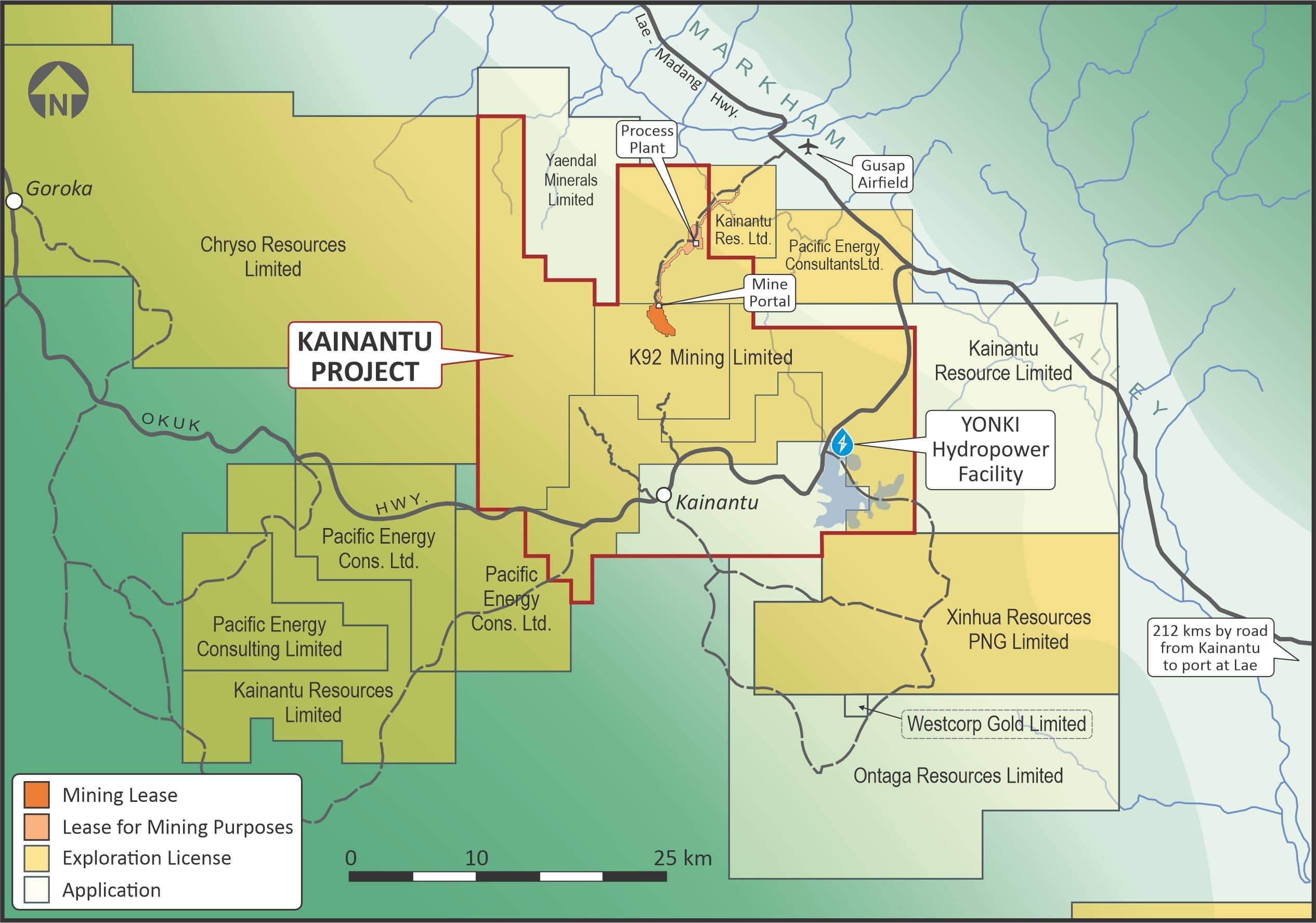
Kainantu sits within a large ~830 km² land package in a region known for large Tier 1 gold assets. The property hosts multiple highly prospective vein field and porphyry targets, with several targets being drill tested concurrently.

Note (1): Refer to the technical report titled “Independent Technical Report, Kainantu Gold Mine, Updated Definitive Feasibility Study, Kainantu Project, Papua New Guinea”, with an effective date of January 1, 2024.
Kainantu Achievements and Milestones

Oct 2025

Stage 3 Process Plant Complete and Delivered Under Budget

Oct 2024

Updated Kainantu Definitive Feasibility Study (Stage 3 and Stage 4 Expansions)

Feb 2024

Significant Maiden Drilling Results From Arakompa

Dec 2023

Kora and Judd Resource Update – 2.6 Moz AuEq M&I, 4.5 Moz AuEq Inferred

May 2023

600ktpa, Stage 2A Expansion Achieved

Dec 2022

Extension to Mining Lease 150 to June 2034

Sept 2022

Kainantu Definitive Feasibility Study (Stage 3 and Stage 4 Expansions)

Feb 2022

Kora Resource Update and Maiden Judd Resource - 2.3 Moz AuEq M&I, 2.6 Moz AuEq Inferred

Oct 2021

500ktpa, Stage 2A Expansion Announced

Sep 2021

400ktpa, Stage 2 Expansion Achieved

Sep 2020

Stage 2 Expansion Commissioned

July 2020

1mtpa, Stage 3 Expansion PEA

May 2020

Resource Update - 1.3 Moz AuEq Measured & Indicated, 3.9 Moz AuEq Inferred

Mar 2019

400ktpa, Stage 2 Expansion Announced

Jan 2018

Commercial Production Declared

May 2017

Kora North Discovery

Oct 2016

Stage 1 Production Restart - 200ktpa

STAGE 3 DFS EXPANSION SUMMARY(1)

MINE LIFE & MATERIAL MOVEMENTS Stage 3 DFS 
Mine Life 7 Years
Throughput 1.2 mtpa
Total Ore Mined 6.2 mt
LOM AVERAGE GRADES
Gold Grade 6.7 g/t
Copper Grade 1.0%
Silver Grade 19 g/t
AuEq Grade 8.5 g/t
AVERAGE RECOVERIES
Gold Recovery 93%
Copper Recovery 94%
ANNUAL PRODUCTION (AuEq)
Stage 3 Run-Rate 303 koz
LOM Avg 223 koz
Peak 319 koz
COSTINGS
Expansion Capex $194M
Sustaining Capex $337M
Avg Unit Costs $145/t
LOM Avg Cash Cost
(co-product)
$694/oz
LOM Avg Cash Cost
(net of by-product)
$380/oz
 
LOM Avg AISC
(co-product)
$920/oz
LOM Avg AISC
(net of by-product)
$665/oz
 

Note (1): Refer to the technical report titled “Independent Technical Report, Kainantu Gold Mine, Updated Definitive Feasibility Study, Kainantu Project, Papua New Guinea”, with an effective date of January 1, 2024.
AuEQ Production & Outlook

Vrify 360 Tour

(View)

Regional Geology

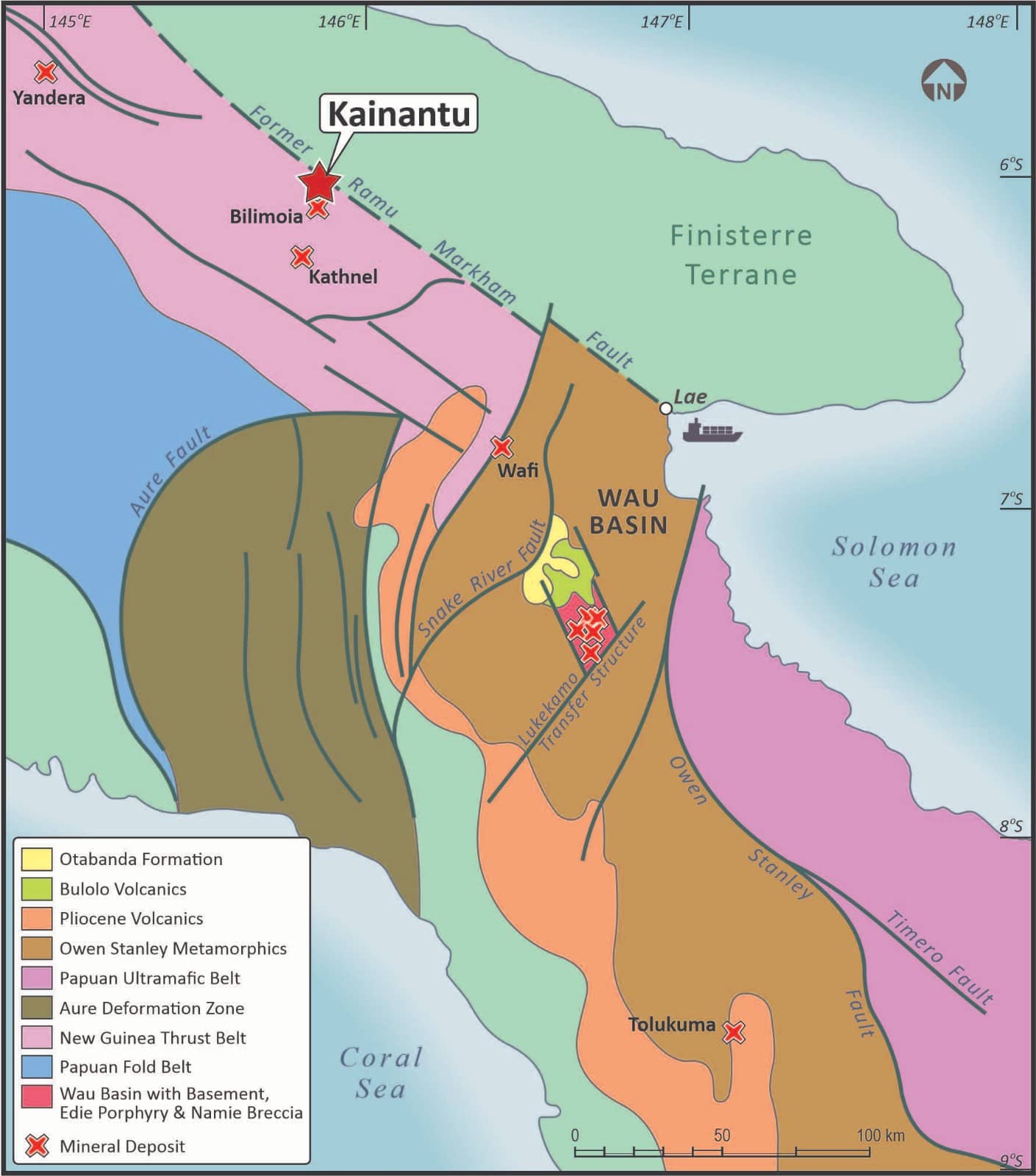
The Kainantu property is located within the New Guinea Thrust Belt, close to its northern contact with the Finisterre Terrane. The contact is marked by the northwest trending Ramu-Markham Fault, a major suture zone that marks the northern margin of the Australian Craton.

The New Guinea Thrust Belt records an early Miocene or older ductile, tight folding event that was followed by middle Miocene intrusions. Late Miocene regional scale low-angle thrust faulting followed, associated with the collision of the Finisterre Terrane. The belt is characterised by a number of north-northeast trending fault zones that commonly host major ore deposits.

Kainantu Geology

The Kainantu area is underlain by greenschist to amphibolite facies metamorphic rocks of the Early Miocene Bena Bena Formation, which are unconformably overlain by the Miocene-aged Omaura Formation, comprising volcano-sedimentary units and limestone lenses. The overlying Yaveufa Formation consists of basaltic and andesitic flows, agglomerates, volcanoclastic sandstone, and limestone.

The mid-Miocene Akuna Intrusive Complex consists of multiple phases ranging from olivine gabbros, dolerites, hornblende gabbros and biotite diorites to granodiorites. Late Miocene age Elandora Porphyry intrusions and breccias are associated with mineralization and occur within proximity to a major north-northeast trending transfer structure.

Mineralization on the property includes Au, Ag and Cu occurring in:

  • Low-sulphidation epithermal Au-telluride veins
  • Au-Cu-Ag sulphide veins of Intrusion Related Gold Copper (IRGC) affinity
  • Less-explored porphyry Cu-Au systems
  • Alluvial gold occurrences

Kainantu Vein Field

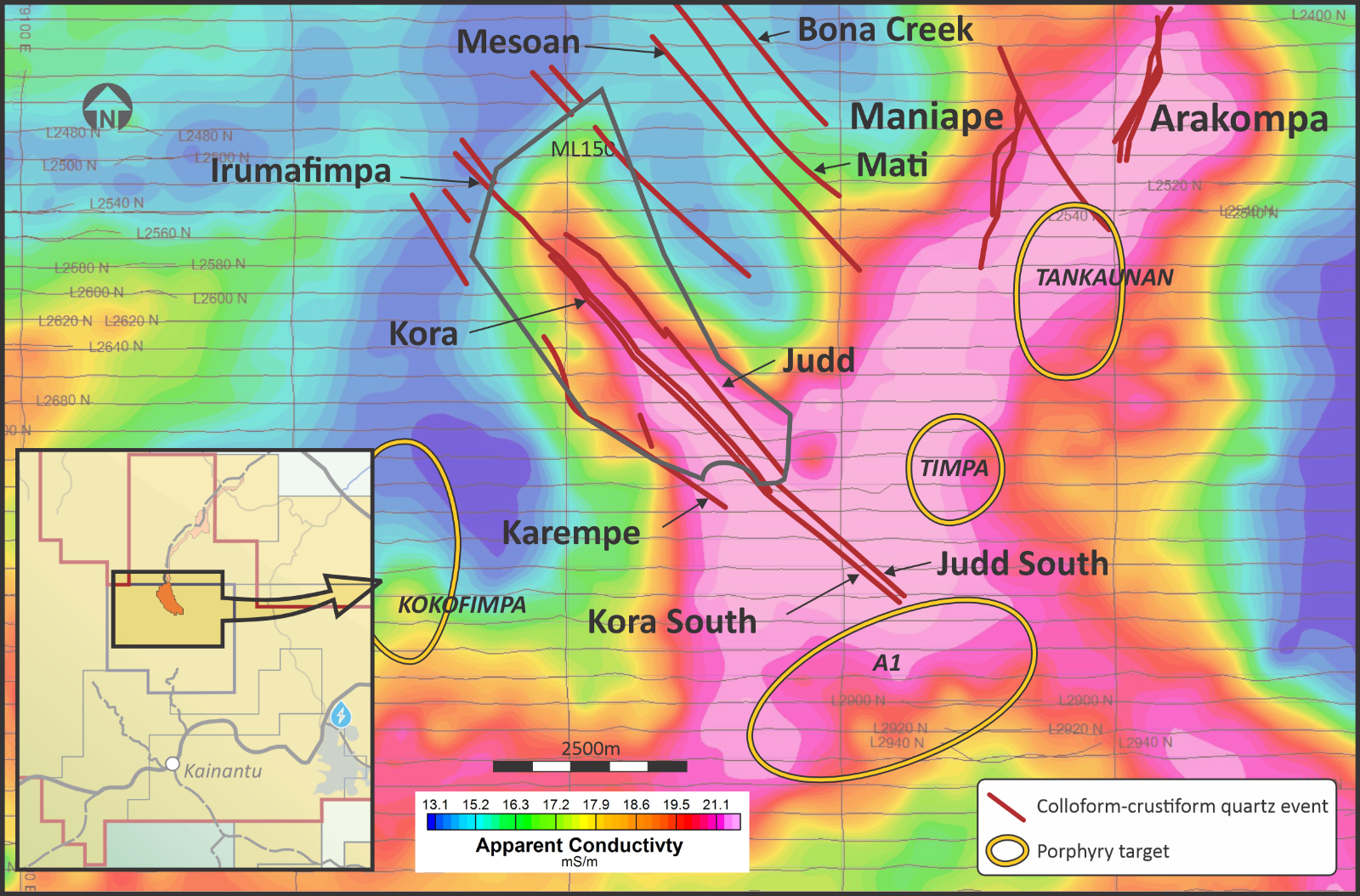
Within and surrounding Mining Lease 150 (“ML 150”) is an epithermal vein field consisting of multiple known and highly prospective vein systems: Kora, Irumafimpa, Karempe, Judd, Kora South, Judd South, Mati, Maniape and Arakompa.

Mining is focused on the Kora vein system, consisting of two dominant veins and the Judd vein system consisting of four known veins with one vein being mined.

There are multiple near-mine infrastructure targets within the Kora-Kora South, Judd-Judd South and Karempe vein systems.

Location & Infrastructure

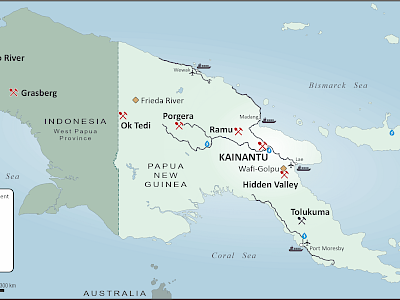
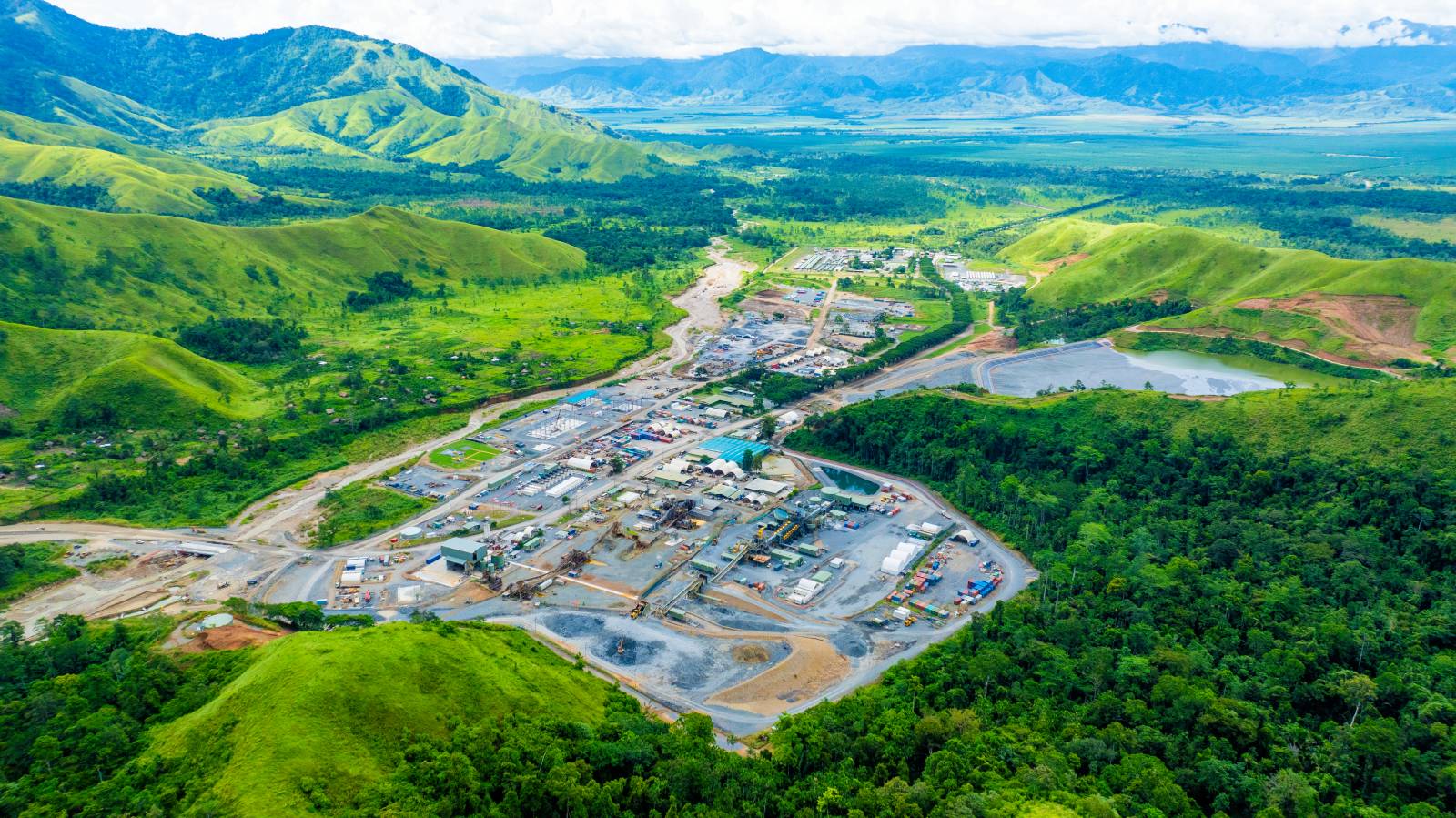
The Kainantu Gold Mine is located in the Eastern Highlands Province of Papua New Guinea, approximately 180 km west-northwest of Lae.

The site is well supported by established infrastructure, including:

  • A sealed road connection from Lae to within 8 km of the mine
  • Access via the nearby Gusap Airstrip in the Ramu Valley
  • Grid power supplied by the Yonki Dam hydro-electric scheme, with full on-site power generation available as standby

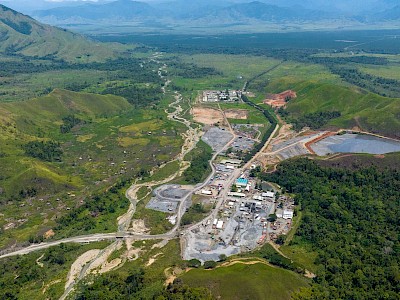
The underground mine is located on Mining Lease 150 (“ML 150”), while the Process Plant, Offices, Workshops, Stores, Camp and Tailing Storage Facility are located on a Lease for Mining Purposes 78 (“LMP 78”).

Mining

The underground workings are accessed via 3 portals at the following locations: at the 840mRL area:

-Kora Incline: 5mW x 5mH profile, 2.5km total length,
-Twin Inclines: 6mW x 6.5mH & 5mW x 5.5mH profiles, 2.9km total length per Incline.

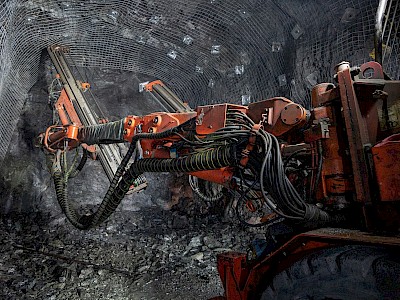
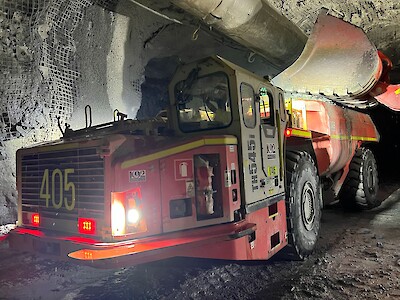
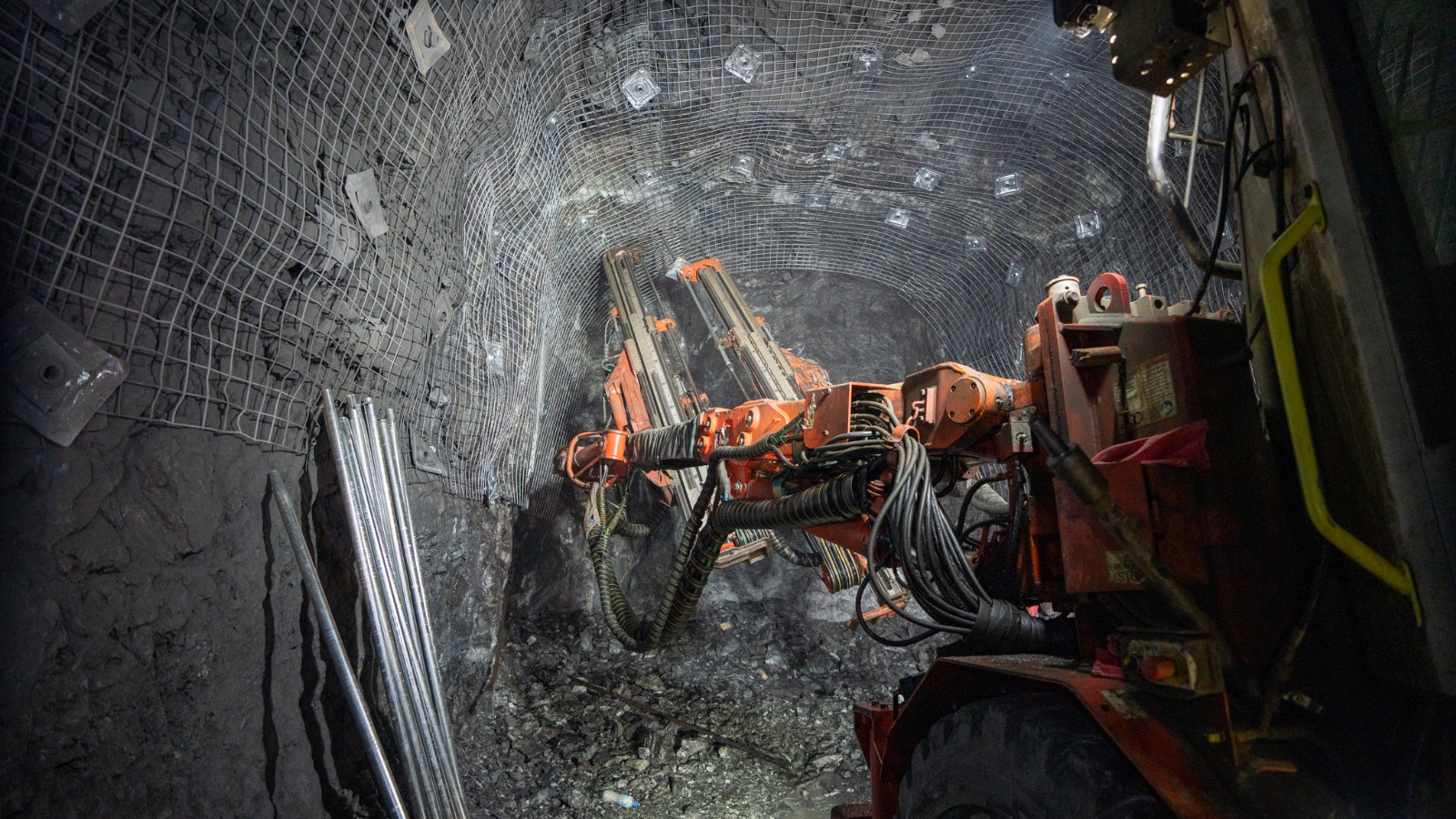
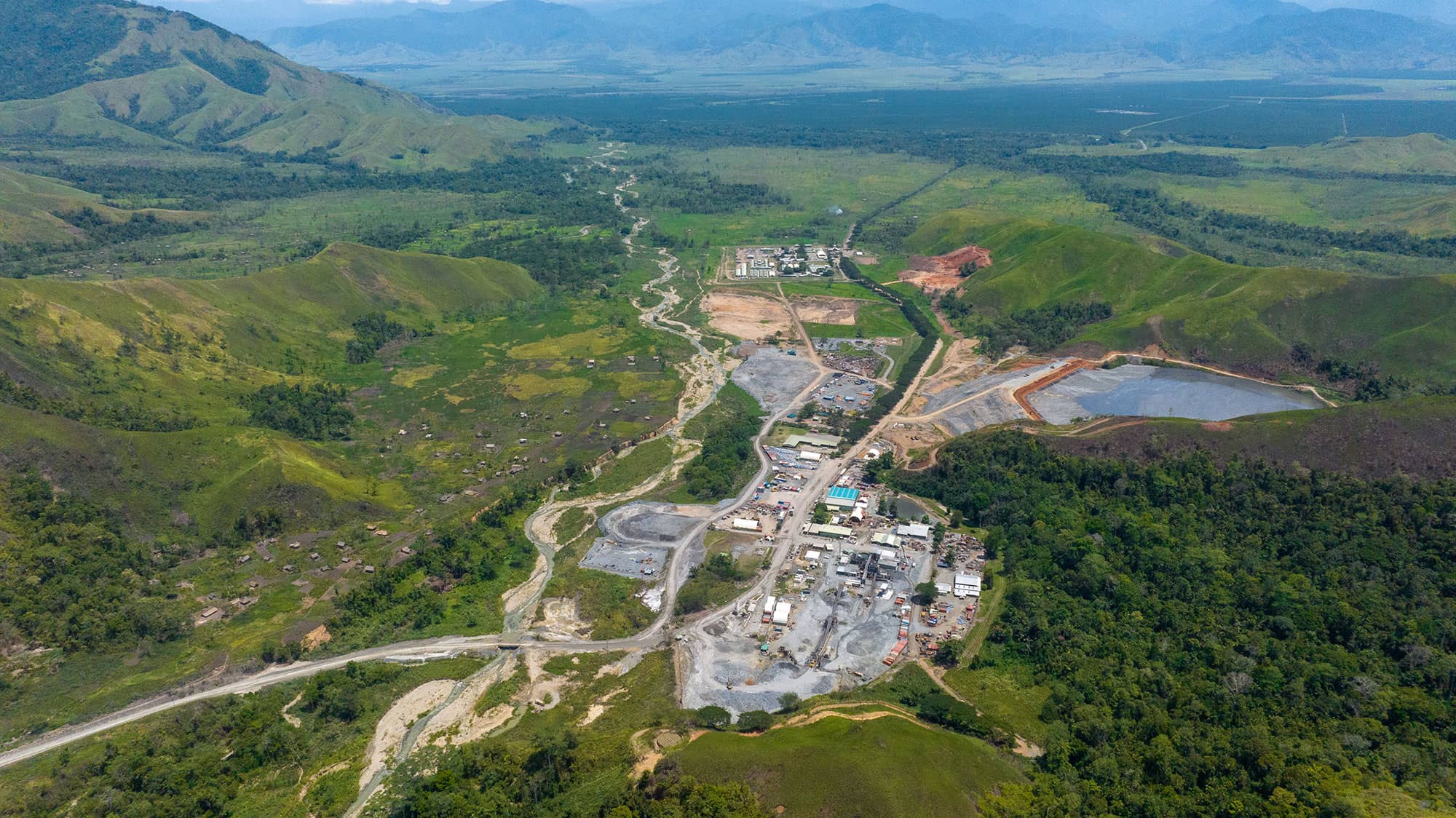
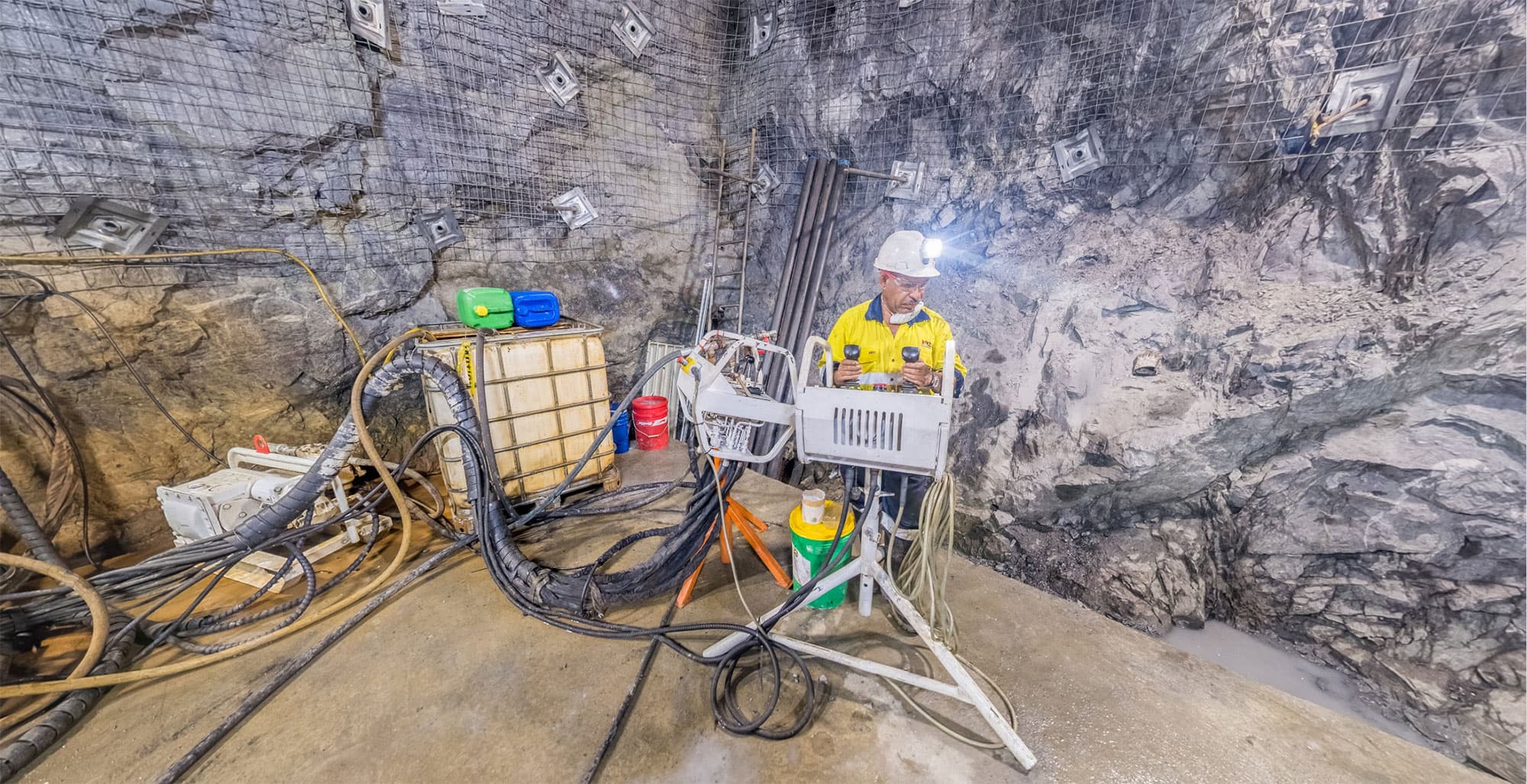
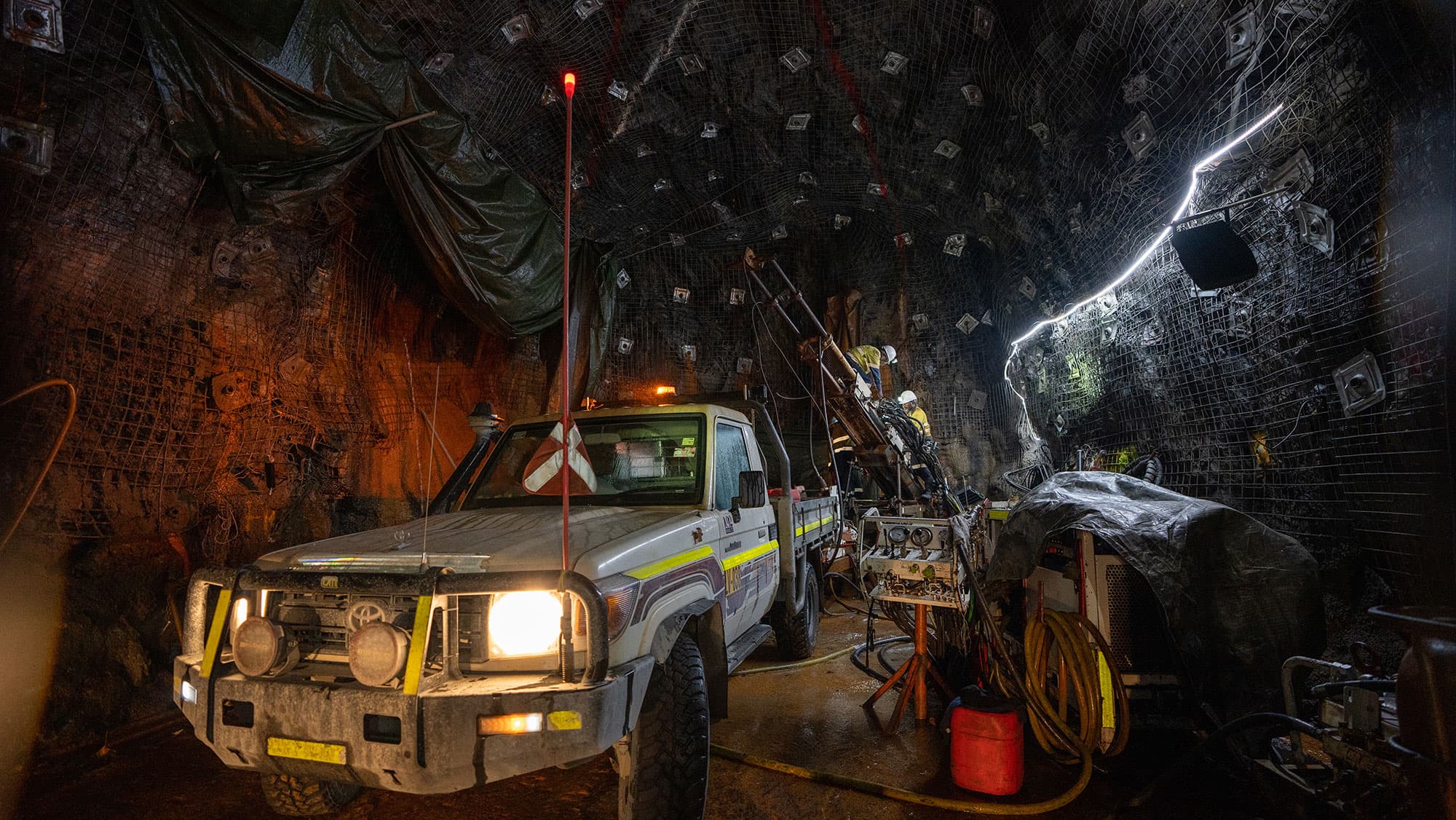
Production is via effective, low-cost longhole stoping utilising mechanised methods and tele-remote loading technology. Stoping ore tonnes are primarily sourced from the sub parallel K1 and K2 veins supported by material from the Judd Vein System. Loose rockfill is utilised as the primary backfill method with a plan to incorporate paste fill with the execution of the Stage 3 Expansion. Material is trucked ~6km from the 840mRL portal area to the Process Plant by surface haul trucks.

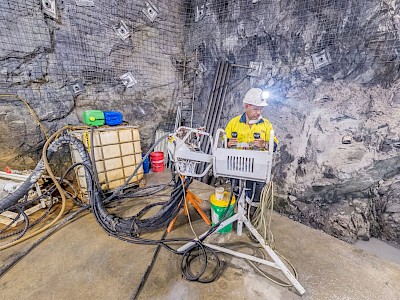
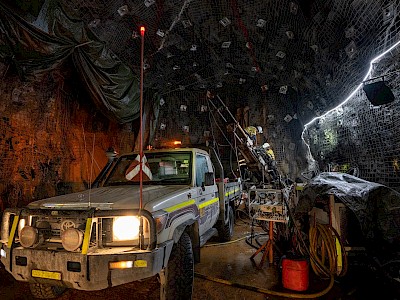
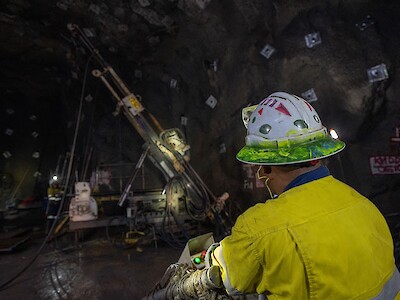
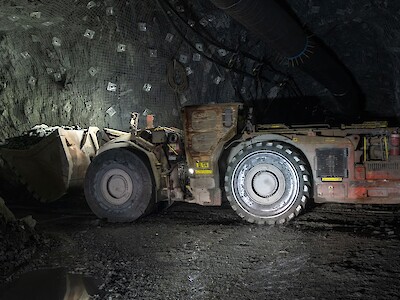
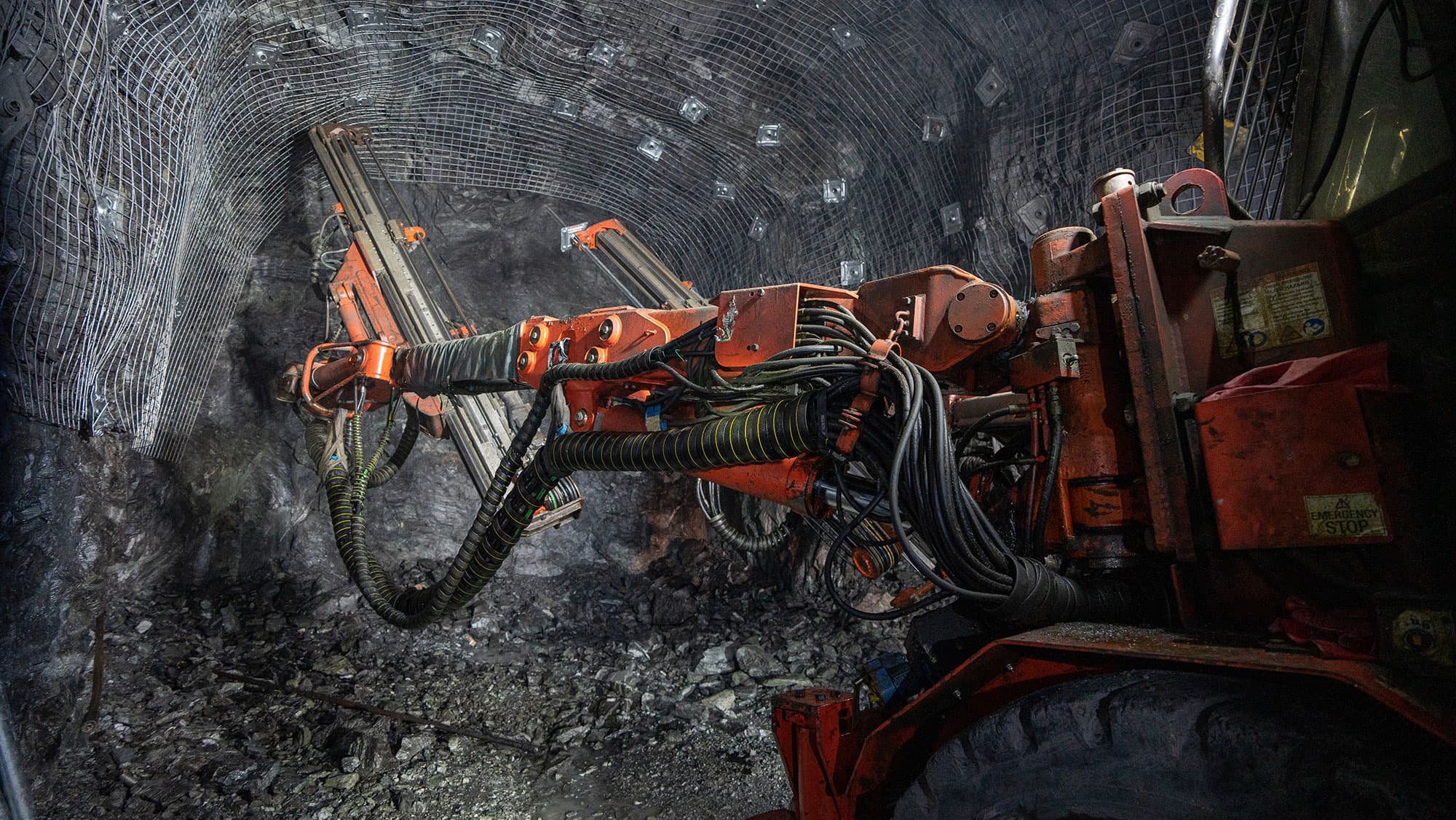
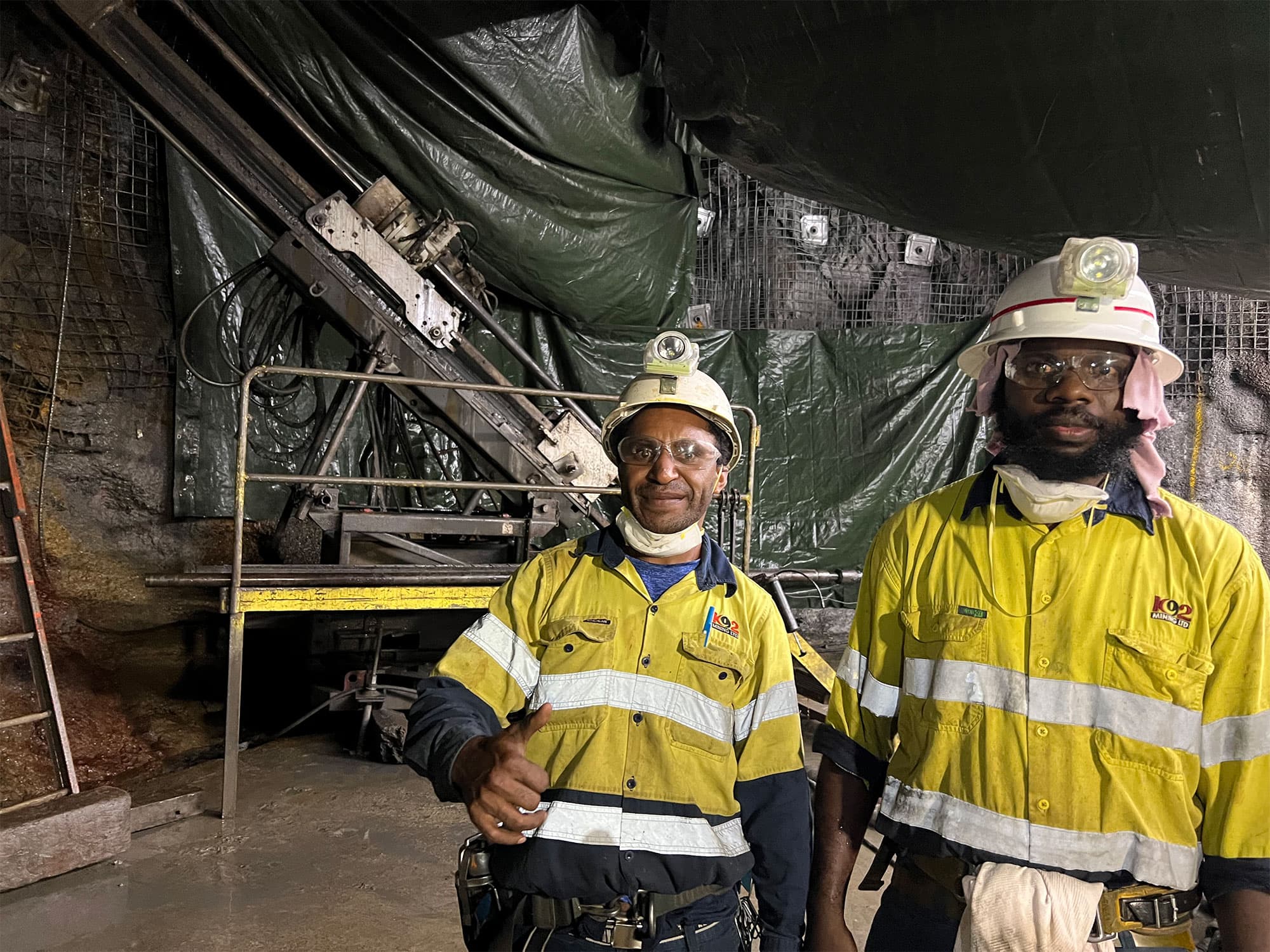
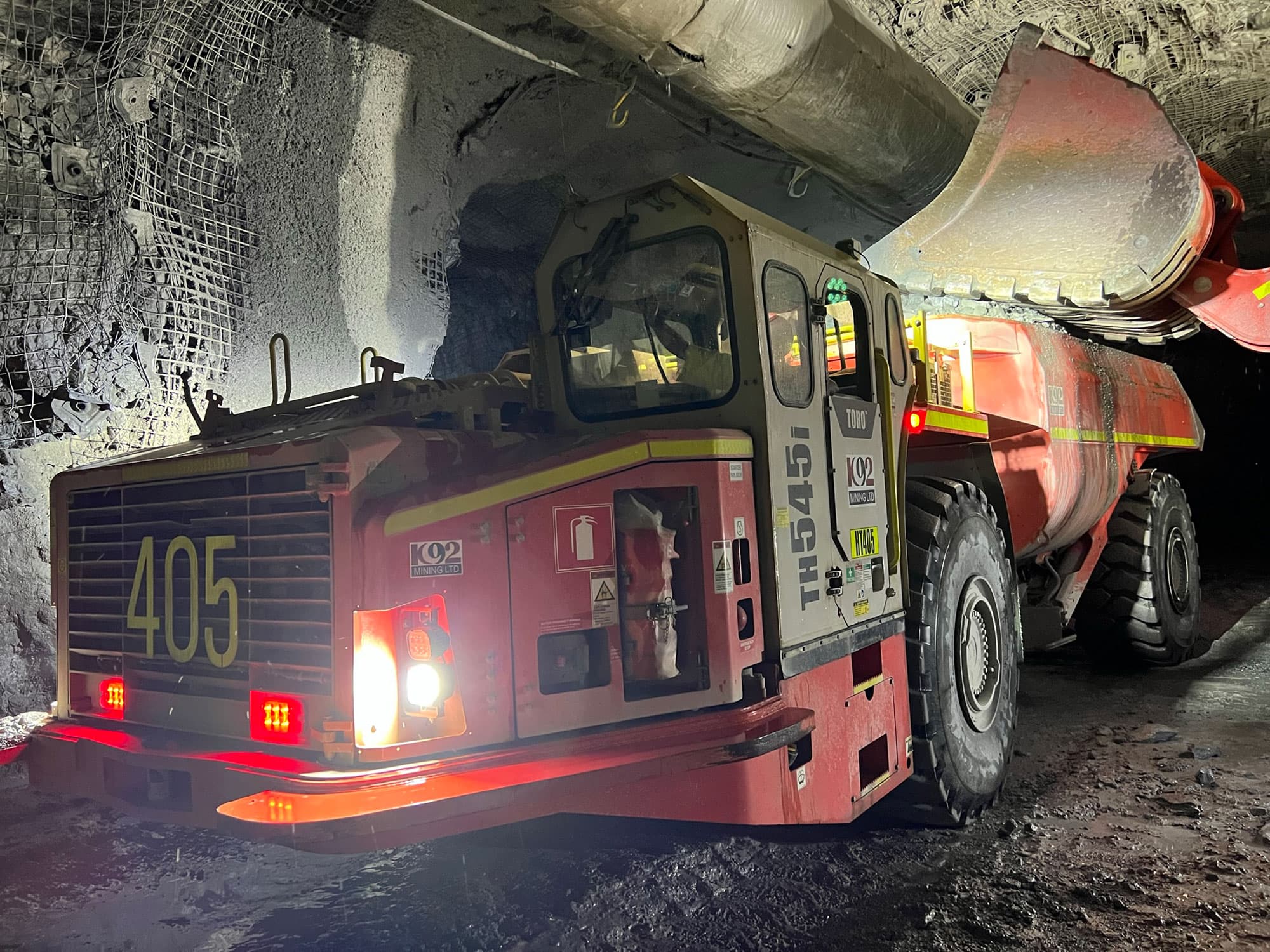
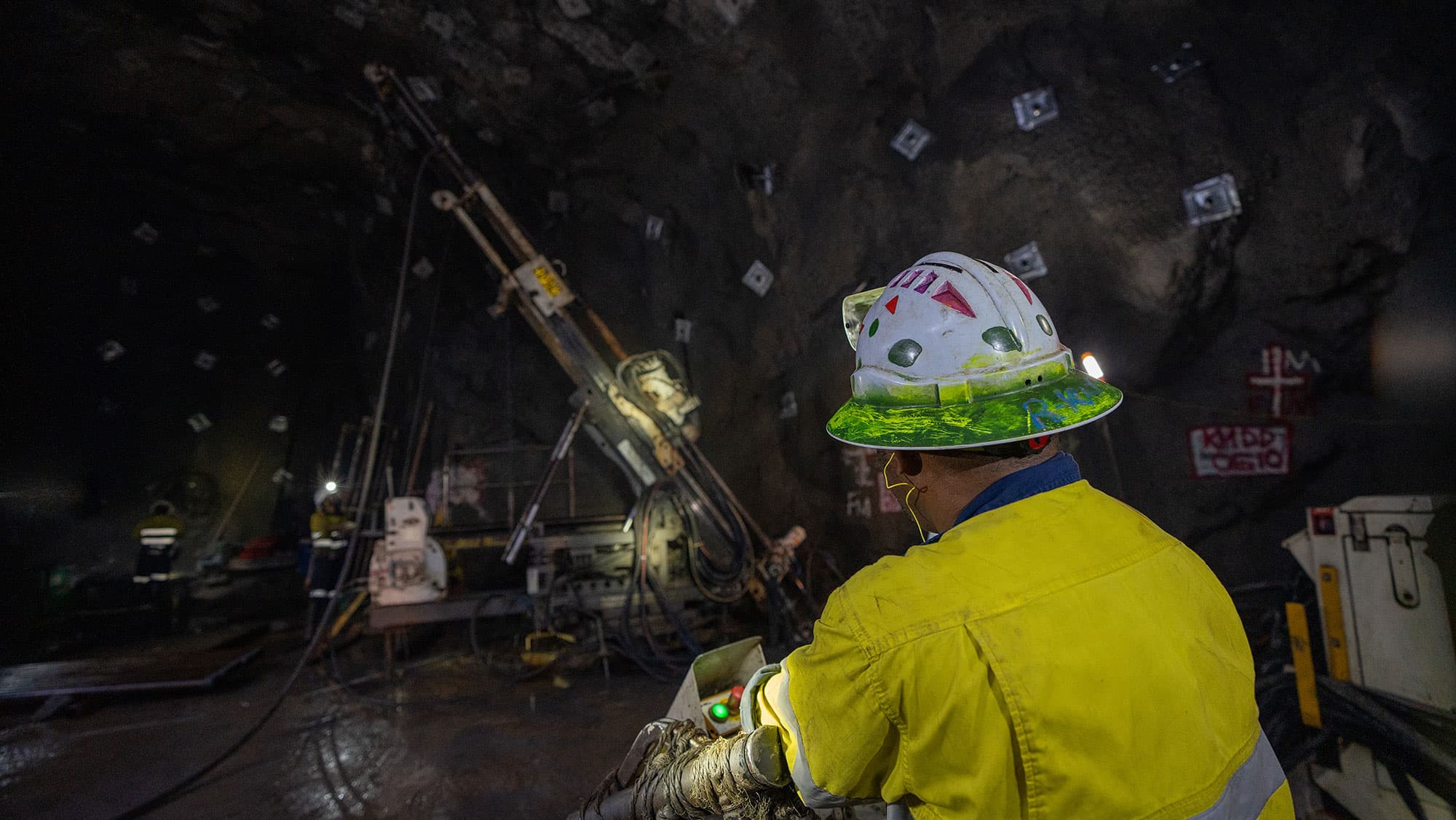
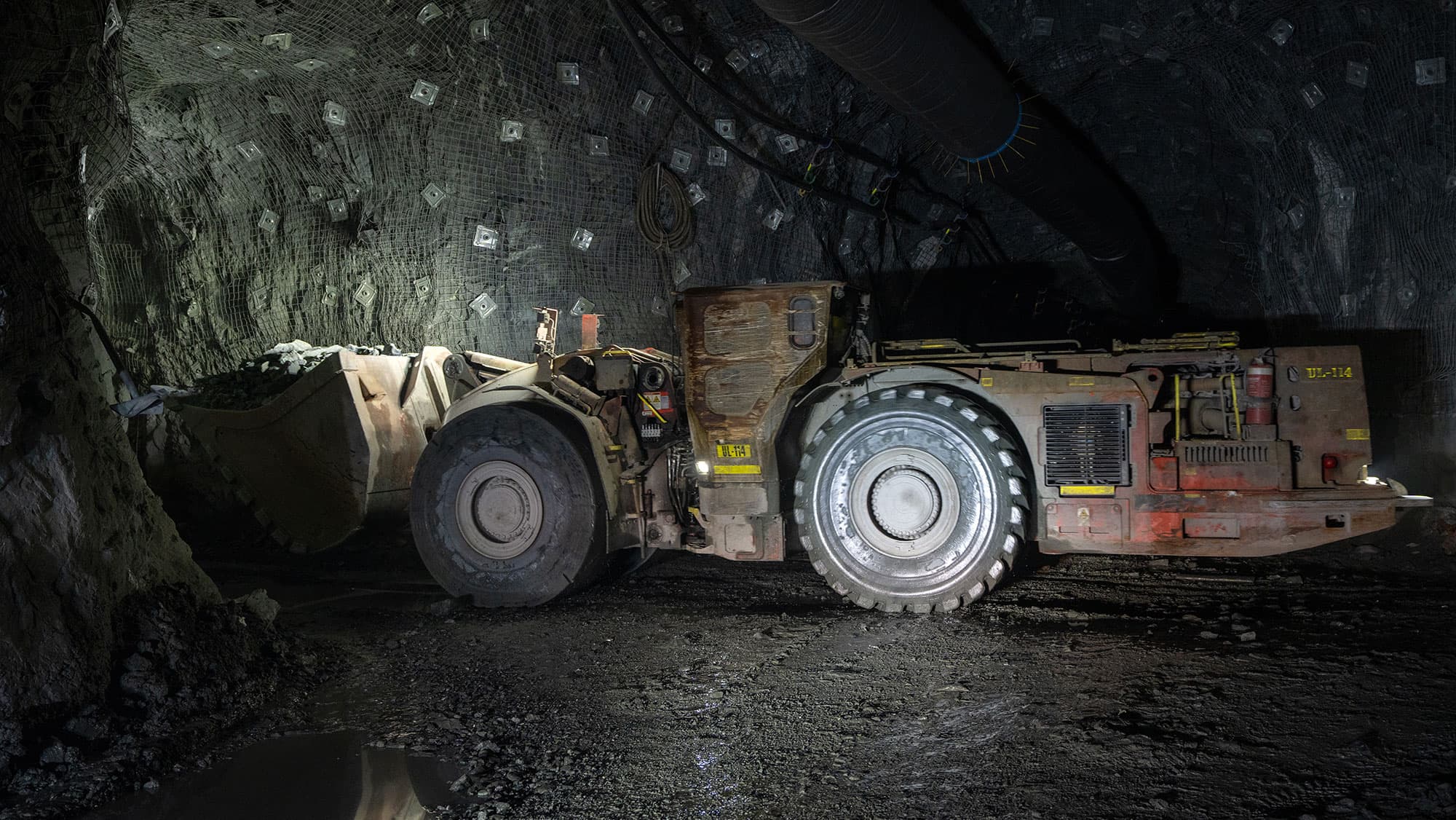
Underground operations are fully mechanised and utilise a modern mining fleet supported by best-in-class underground mining technology. K92 owns and operates all underground mobile fleet including large diameter raisebores, small diameter boxhole rigs, diamond drill rigs and the mine development and production fleet.

Processing

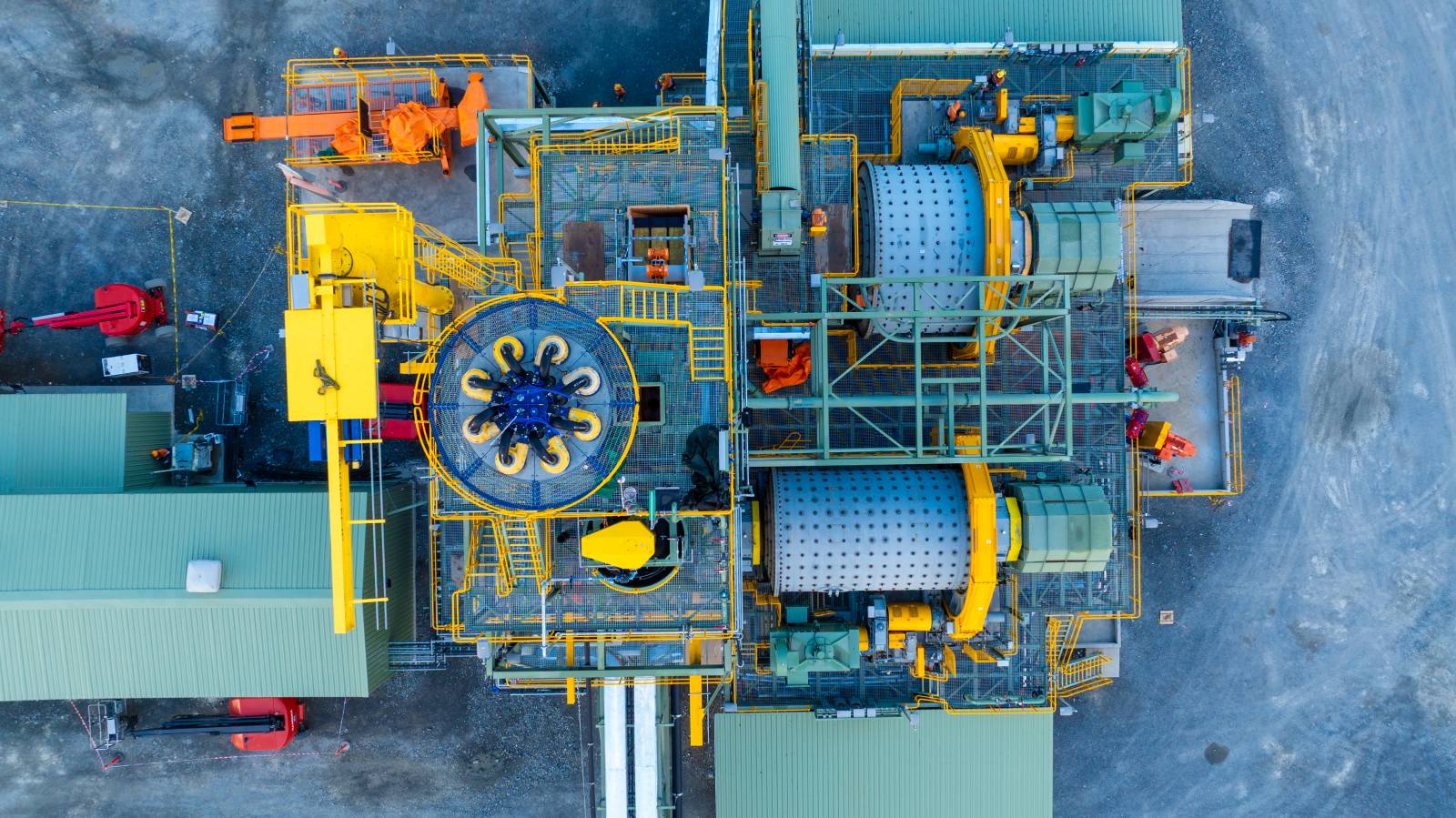
In December 2025, K92 successfully commissioned its new state-of-the-art 1.2 Mtpa Stage 3 process plant, comprising a single-stage crush circuit, SAG mill, ball mill, gravity circuit and flotation circuit. The plant is designed to support an annual production run rate of approximately 300,000 AuEq ounces and has delivered strong performance since commissioning, with recoveries consistently exceeding Updated DFS assumptions. The existing process plant was designed and built to be cost-effectively expandable to 1.8 Mtpa, primarily through upgrades to flotation and filter press capacity. This would meet the Stage 4 Expansion plant throughput requirements.

The process plant produces doré through gravity recovery and a gold-copper flotation concentrate, which is shipped from Lae to international smelters.

The idled 600 ktpa Stage 2A process plant is a relatively simple flowsheet comprising a two-stage crush circuit, ball mill and flotation circuit. This provides K92 with significant latent processing capacity and a low-capex option to process future near-mine ore sources that demonstrate economic viability.

The Tailings Storage Facility utilises industry best practice Downstream construction methodology.

Resources and Reserves

  Tonnes Gold Silver Copper Gold EQ.
mt g/t moz g/t moz % kt g/t moz
KORA  (January/2024) Proven 2.95 7.4 0.70 19 1.9 1.1 31 9.4 0.89
  Probable 2.52 5.7 0.46 19 1.6 1.0 26 7.6 0.61
JUDD  (January/2024) Proven 0.24 8.3 0.06 17 0.1 0.6 1 9.4 0.07
  Probable 0.47 6.5 0.10 13 0.2 0.5 2 7.5 0.11
Consolidated Total Proven 3.19 7.5 0.77 19 2.0 1.0 33 9.4 0.96
  Total Probable 2.99 5.8 0.56 18 1.8 1.0 28 7.6 0.73
  Total Proven & Probable        6.18 6.7 1.32 19 3.7 1.0 61 8.5 1.69
 
  Tonnes Gold Silver Copper Gold EQ.
mt g/t moz g/t moz % kt g/t moz
KORA  (September/2023) Measured & Indicated 6.9 7.9 1.8 21 4.7 1.3 86 10.2 2.3
  Inferred 14.3 5.6 2.6 29 13.2 1.6 231 8.6 3.9
JUDD  (September/2023) Measured & Indicated 1.2 7.2 0.29 17 0.7 0.8 9 8.7 0.35
  Inferred 2.3 6.3 0.45 16 1.1 0.8 17 7.7 0.56
Consolidated Total Measured & Indicated 8.1 7.8 2.0 21 5.3 1.2 96 10.0 2.6
  Total Inferred 16.5 5.7 3.0 27 14.3 1.5 248 8.5 4.5
  • Kainantu Resource and Reserve Disclosures

    Kora and Judd Reserve Disclosure

    • The long-term metal prices used for calculating the financial analysis is US$1,900/oz gold, US$4.50/lb copper, US$25/oz silver.
    • Gold Equivalents are calculated as AuEq = Au g/t + Cu % *1.62406 + Ag g/t*0.01316. Metal payabilities and recoveries are not incorporated into this formula.
    • A minimum mining width of 3.0 m has been applied for stoping, inclusive of a 1.0 m dilution skin.
    • In addition to the 1.0 m dilution skin, additional dilution of 5% has been added for Avoca mined stopes and 2.5% for long hole stoping with pastefill. Where a stope is within 5.0m proximity of the HW or FW of the fault gouge, an additional 1.0m of dilution was added at a grade averaging 1.42g/t AuEq. This results in a total average dilution of 27.8%.
    • Mining recoveries of 90% have been applied to Avoca mined stopes, and 95% for long hole stoping with pastefill.
    • A cut-off grade of 3.5 g/t AuEq was used to define stoping blocks. Stope shapes with uneconomic development were excluded. The cut-off grade takes into account site operating costs, G&A costs, sustaining capital costs and relevant processing and revenue inputs.
    • Measured Mineral Resources were used to report Proven Mineral Reserves.
    • Indicated Mineral Resources were used to report Probable Mineral Reserves.
    • Tonnage and grade estimates include dilution and recovery allowance.
    • The Mineral Reserves reported are not added to Mineral Resources.

    Kora and Judd Resource Disclosure

    • The Independent and Qualified Person responsible for the Mineral Resource estimate is Simon Tear, P.Geo. of H & S Consultants Pty. Ltd., Sydney, Australia, and the effective date of the estimate is September 12, 2023.
    • Mineral Resources are not Mineral Reserves and do not have demonstrated economic viability.
    • Geological interpretation has generated a series of narrow, sub-vertical vein structures based on delineated wireframes on 10m, 20m and 25m spaced cross sections. The design of the lode wireframes is based on a combination of logged geology, Au, Cu & Ag assay grades and locally on a nominal minimum mining width of 5.2m, all coupled with geological sense.
    • Resources were compiled at 3 g/t gold equivalent cut-off grades for Kora and Judd.
    • Density (t/m 3 ) was modelled using Ordinary Kriging on 2,778 sample measurements. Areas within the mineral wireframes where no density grades were interpolated had average default values inserted at appropriate levels.
    • Reported tonnage and grade figures are rounded from raw estimates to reflect the order of accuracy of the estimate.
    • Minor variations may occur during the addition of rounded numbers.
    • Estimations used metric units (metres, tonnes and g/t).
    • Gold equivalents are calculated as AuEq = Au g/t + Cu%*1.6481+ Ag g/t*0.0114. Gold price US$1,700/oz; Silver US$22.5/oz; Copper US$4.00/lb. Metal payabilities and recoveries are incorporated into the AuEq formula. Recoveries of 95% for copper and 80% for silver were used.

Maps & Figures

See All

Sign Up For Updates


Join Our Investor Community Today!

Subscribe to our News Releases and Quarterly Investor Newsletter.

Stay up-to-date with the latest news releases, gain exclusive insights from our CEO, receive operational and exploration updates, and discover our latest community initiatives.

By providing your email address, you are consenting to receive press releases and other information regarding K92 Mining Inc. Your privacy is our priority. You may unsubscribe at any time.

TSX:KNT $
OTCQX:KNTNF $
GOLD $